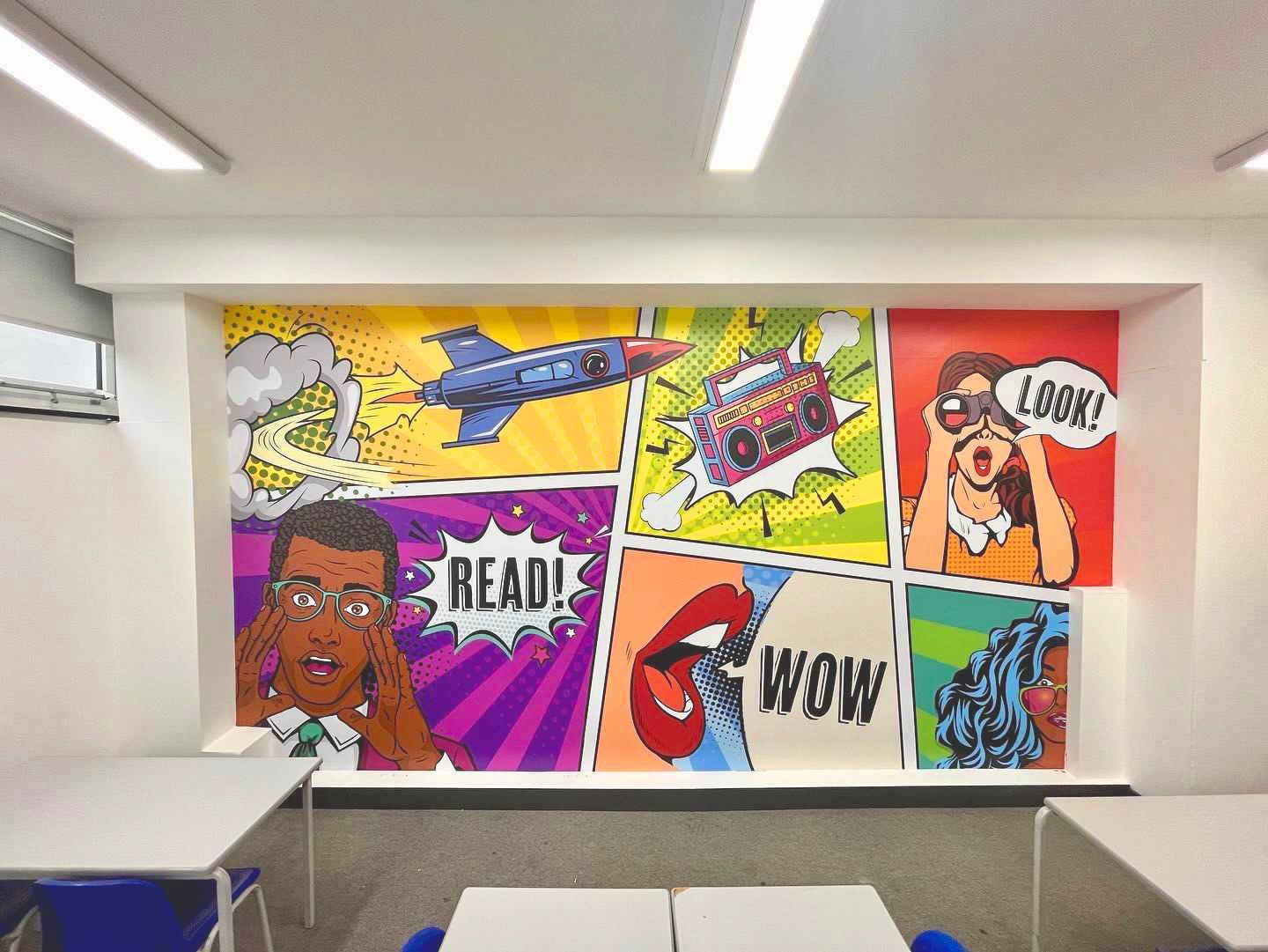
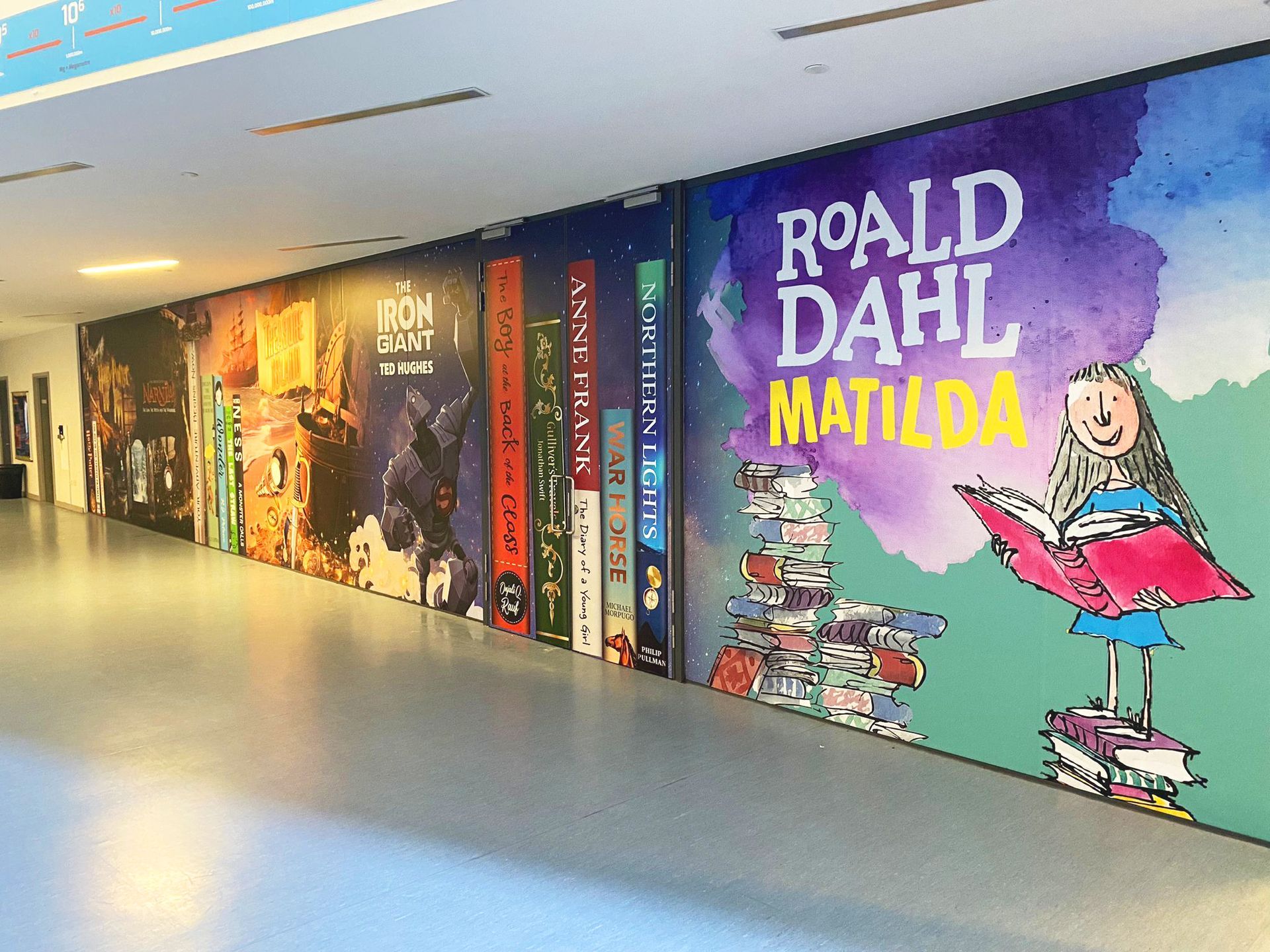
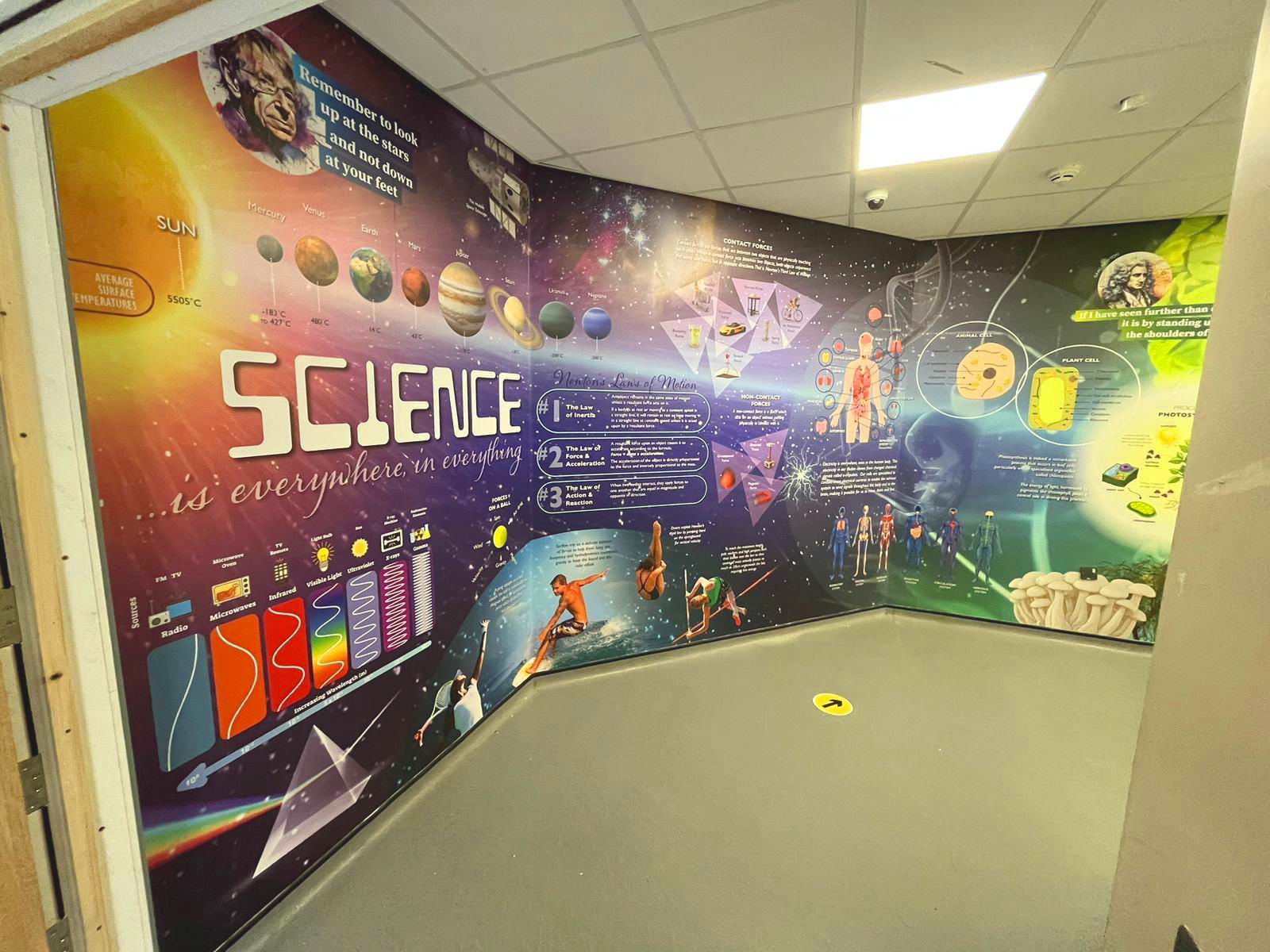
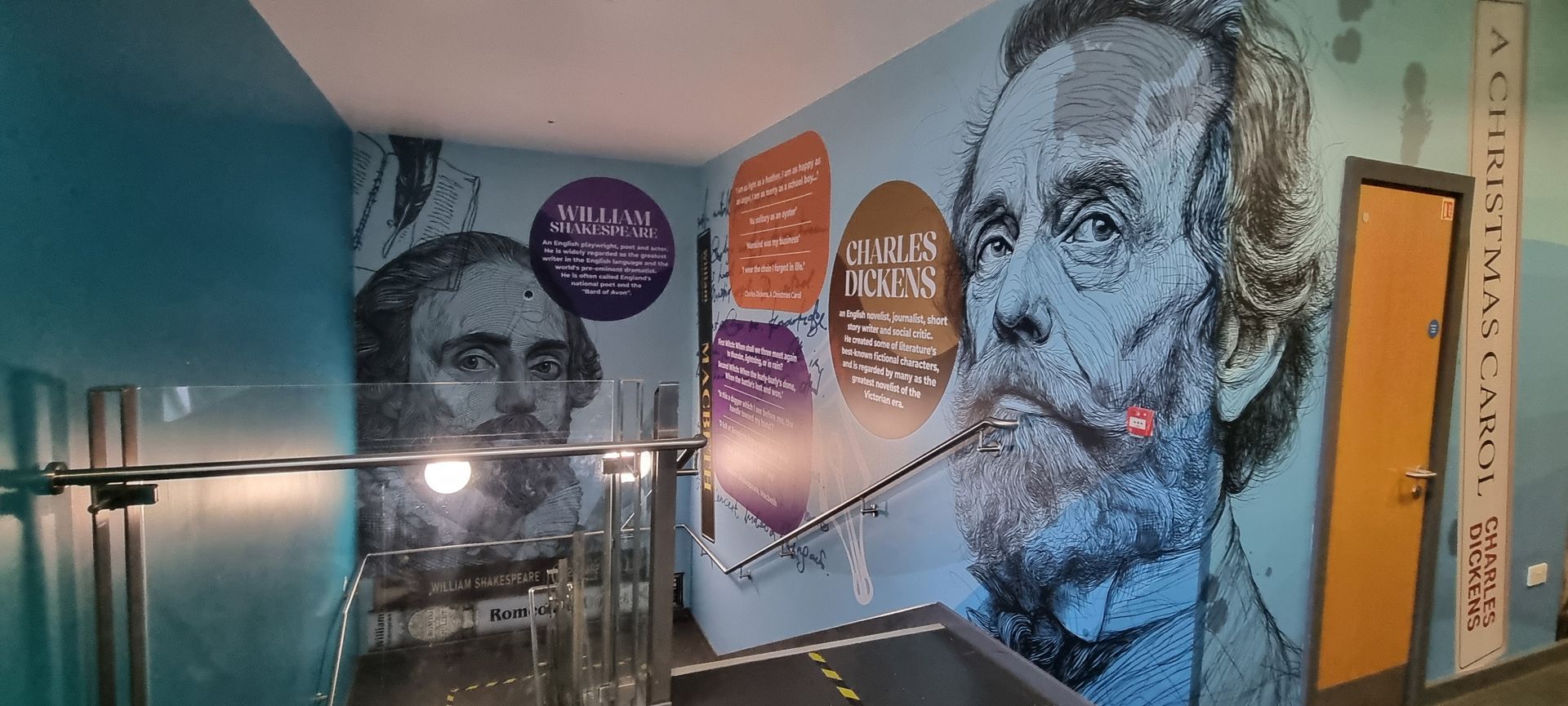
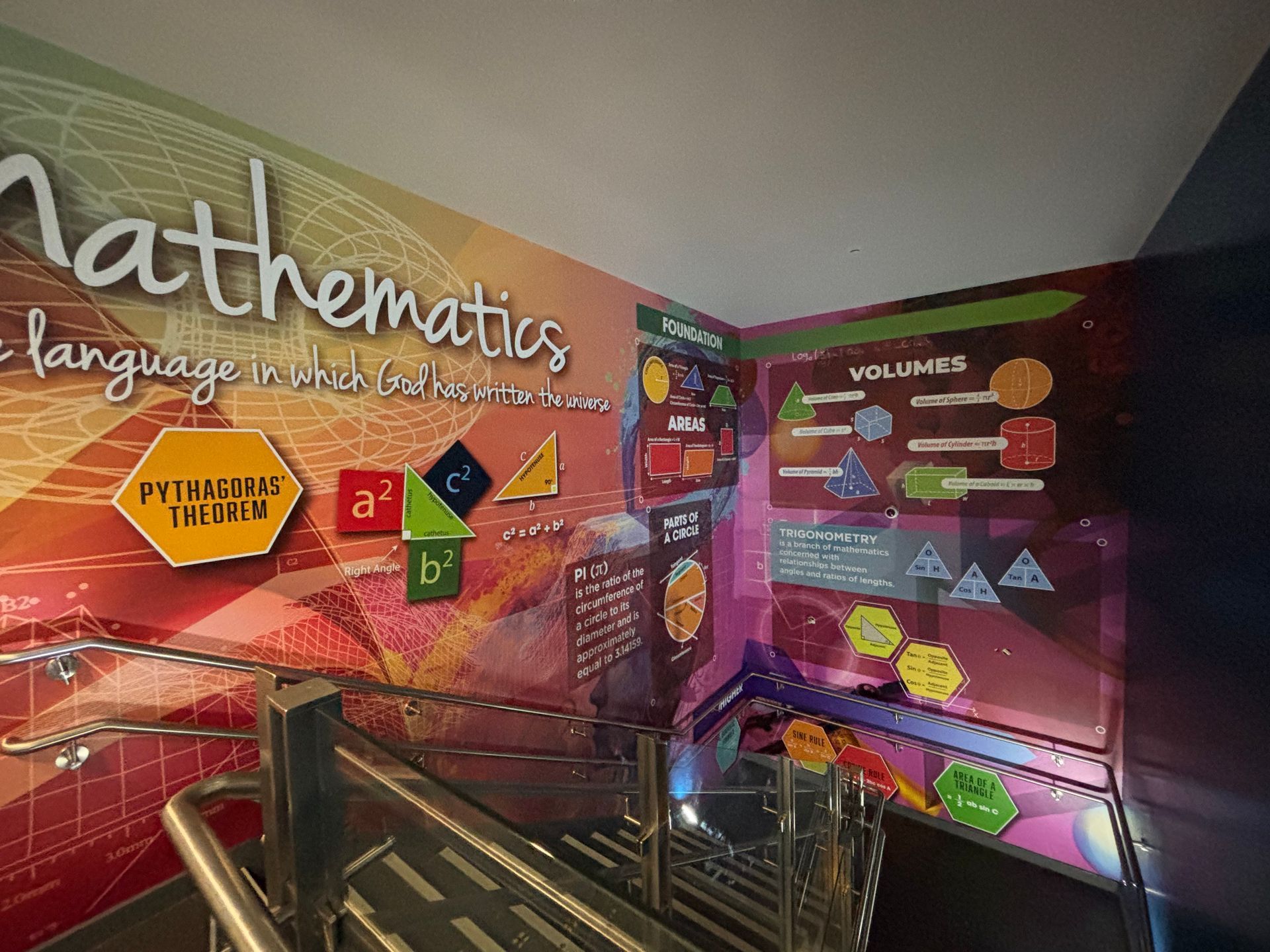
Graphics depicting diversity and inclusivity can embody the values of respect and solidarity in the school community. They can demonstrate a dedication to creating an environment where all students feel appreciated.
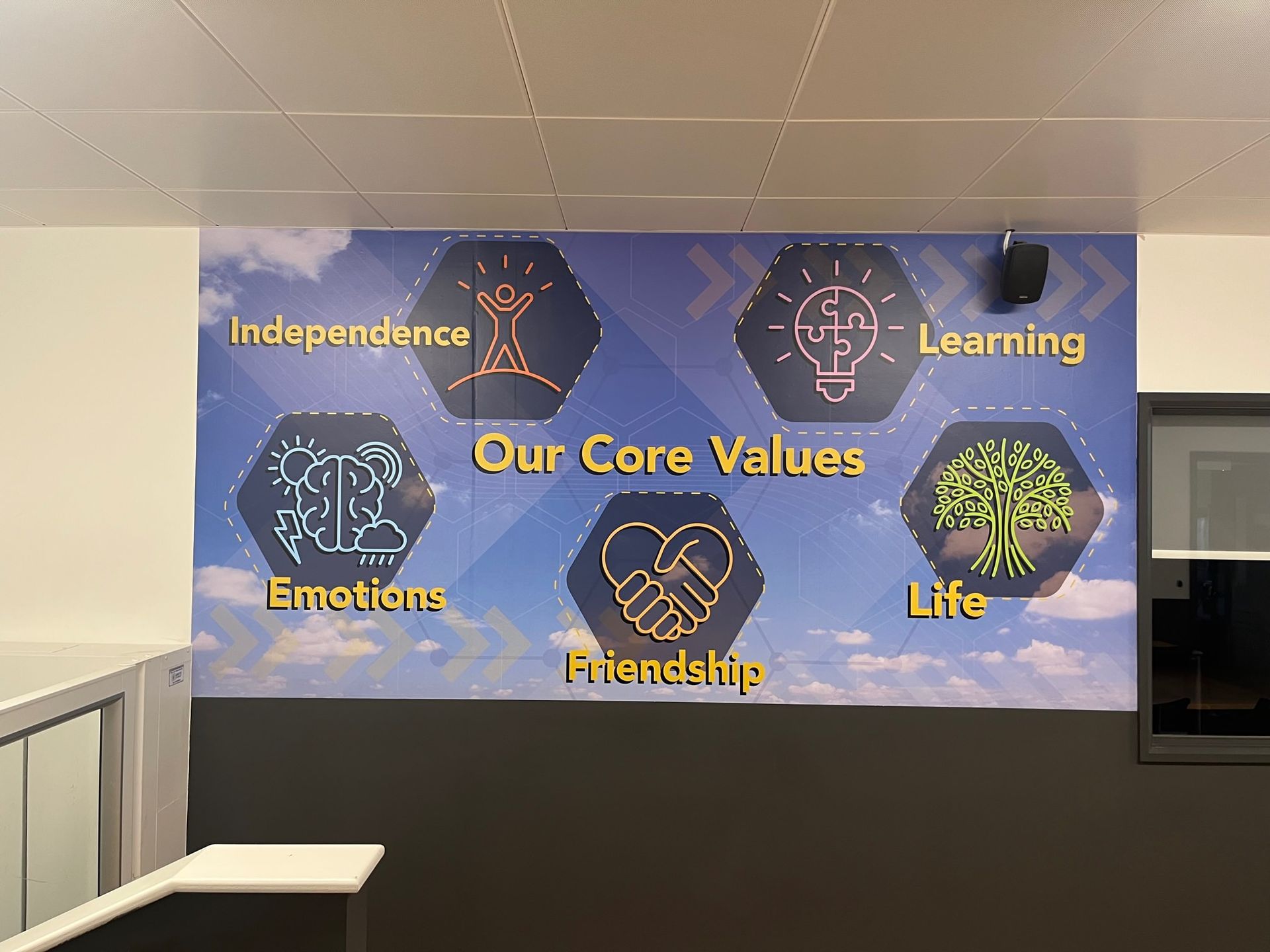
Embracing Diversity and Fostering Inclusivity through Cultural Depictions in Wall Art
Designing and installing wall art that promotes diversity and inclusion can significantly boost feelings of respect and togetherness in a school setting. This shows a dedication to fostering an environment where each student is appreciated.
Capturing the Essence of Culture through Design Principles
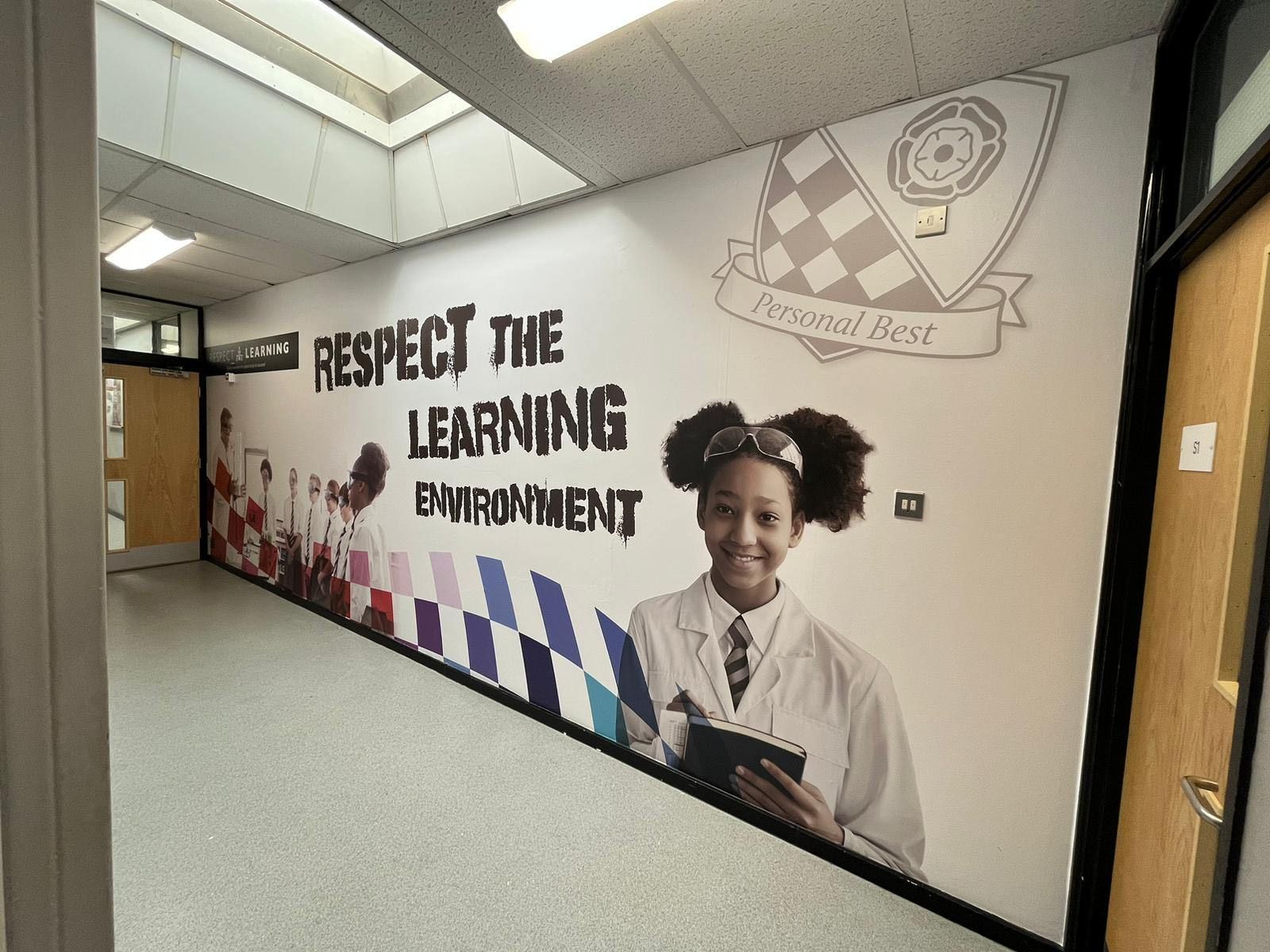
- Utilise pictures of students from different ethnicities and backgrounds participating in typical school tasks to promote diversity and representation.
- Embrace cultural artefacts from various societies to honour the richness of global diversity.
Customs;
- Explore cultural celebrations and special occasions by showcasing traditional clothing styles, festive foods, and activities.
- Display cultural traditions, like traditional dances and music performances, as part of multicultural practices.
- People who inspire us and stories that move us emotionally motivate us.
In the list of notable personalities, highlight individuals from diverse backgrounds, such as scientists, artists, leaders, and activists.
Explore the narratives by incorporating traditional stories, such as folktales and myths, that showcase the diverse heritage of various societies worldwide.
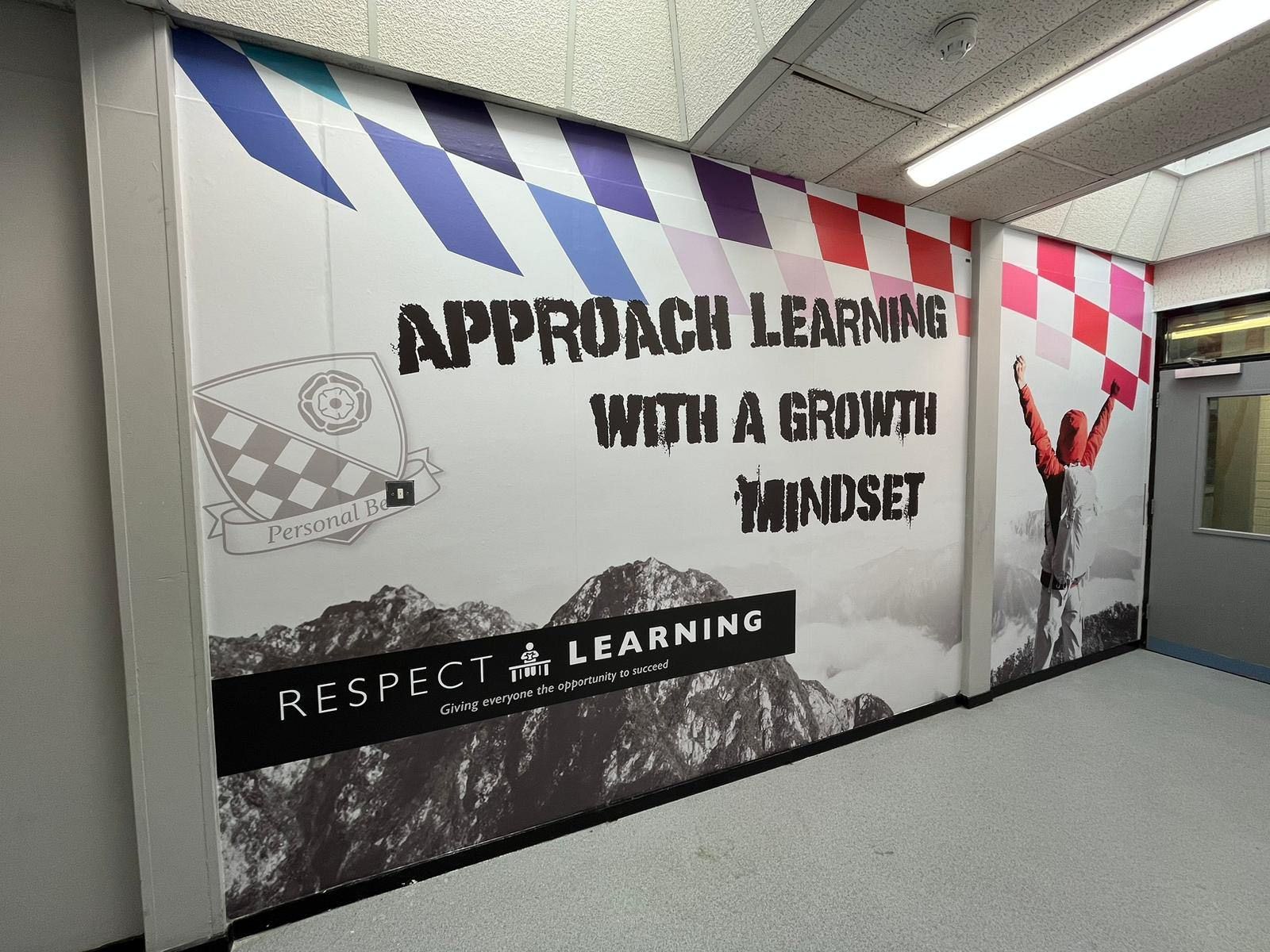
Encouraging Sayings;
- Quotes on Embracing Diversity and Inclusion: Let's gather quotes from influential figures and intellectuals who underscore the significance of togetherness and mutual respect in fostering inclusivity.
- "Empowering statements should be shown to emphasise the value of each person; for example 'Everyone has a place' and 'Our unique qualities unite us.’"
Optimal Positioning for Greater Influence
- Let's design a mural at the entrance or lobby that showcases students from cultural backgrounds and includes inclusive messages in different languages.
- Enhance the displays with features such as touchscreens to offer insights into various cultures showcased within the school setting.
Decorated Hallways Idea;
- Create hallways with various themes that showcase and celebrate cultures through colourful decorations and imagery representing multiple cultural traditions and events.
- Utilise hallway sections for changing exhibits that showcase various cultures every month or season to keep the content engaging and informative.
- In terms of spaces, including classrooms and areas dedicated to learning,
- Let’s set up corners in the school and assign them to cultures that change with the curriculum or when celebrating international events.
- Consider hanging posters or smaller wall graphics with diverse characters and inspiring quotes in every classroom.
- Areas that are frequently used. Places where people come together;
- Enhance the spaces by adding walls that showcase diverse cultural festivals for students to explore and appreciate different traditions in their leisure time.
- Establish unity Panels allow students to showcase their cultural heritage, traditions and family anecdotes to foster empathy and mutual understanding.
Strategies for Putting Plans into Action.
Working Together in the Design Process;
- Get everyone involved in the community! Students, teachers, staff, and parents should all be part of the design process to ensure the graphics connect with everyone in the school community.
- Consult with experts and community leaders to guarantee the accuracy and cultural sensitivity portrayed in the visuals.
Step 1. Choosing Materials;
- Select child-friendly materials that are safe and non-toxic for kids to play with.
- Choose friendly alternatives by selecting sustainable materials to advocate for environmental accountability.
Step 2. Set up by a professional;
- For a top-notch setup experience, have it done by a pro to ensure safety and a polished look while preventing any alignment or damage concerns?
- Place the graphics at a height where kids can easily see and reach them so they can interact with them comfortably.
Step 3. Upgrades;
- Remember to plan upkeep and cleaning sessions to maintain the visual appeal and interest of the graphics, which are fresh and captivating.
- Let’s schedule updates to add fresh cultural elements and maintain a lively and engaging atmosphere.
Examples of Wall Graphics Depicting Cultural Representations
"Welcome to the mural!"
- Upon entering the space, a grand mural showcases students from different cultures alongside warm greetings in various languages and cultural symbols integrated throughout the artwork.
- When visitors and students enter the school, inclusivity is fostered.
- The wall at the festival is a sight to behold!
- A mural showcasing a variety of celebrations, like Diwali, the Lunar New Year, Eid and Hanukkah, featuring illustrations of customary clothing, cuisine and pastimes.
An exhibit of Inspiring Personalities;
- Create illustrations showcasing individuals from diverse backgrounds with their portraits, short life stories, and motivating quotations.
- "Effectiveness of showcasing the talents and accomplishments of various individuals to motivate students, with real-life examples of leadership and success.”
The Committee for Empathy and Solidarity;
- This collaborative board allows students to showcase their cultural heritages and personal narratives through engaging prompts and queries that foster empathy and mutual comprehension.
- Encouraging a feeling of togetherness and mutual understanding among students helps them explore and value cultures.
In conclusion, here are some last reflections:
By using elements that celebrate diversity and inclusivity in their design choices, schools can demonstrate their dedication to fostering a harmonious and cohesive community. These visuals not only improve the aesthetic appeal of the school but also offer valuable educational advantages by encouraging cross-cultural awareness and acceptance. This strategy plays a role in cultivating a nurturing and compassionate school atmosphere where each student is appreciated and honoured, leading to their overall happiness and accomplishments.